Adapting to Climate Change: How Farmers Can Tackle Rabi Season Challenges
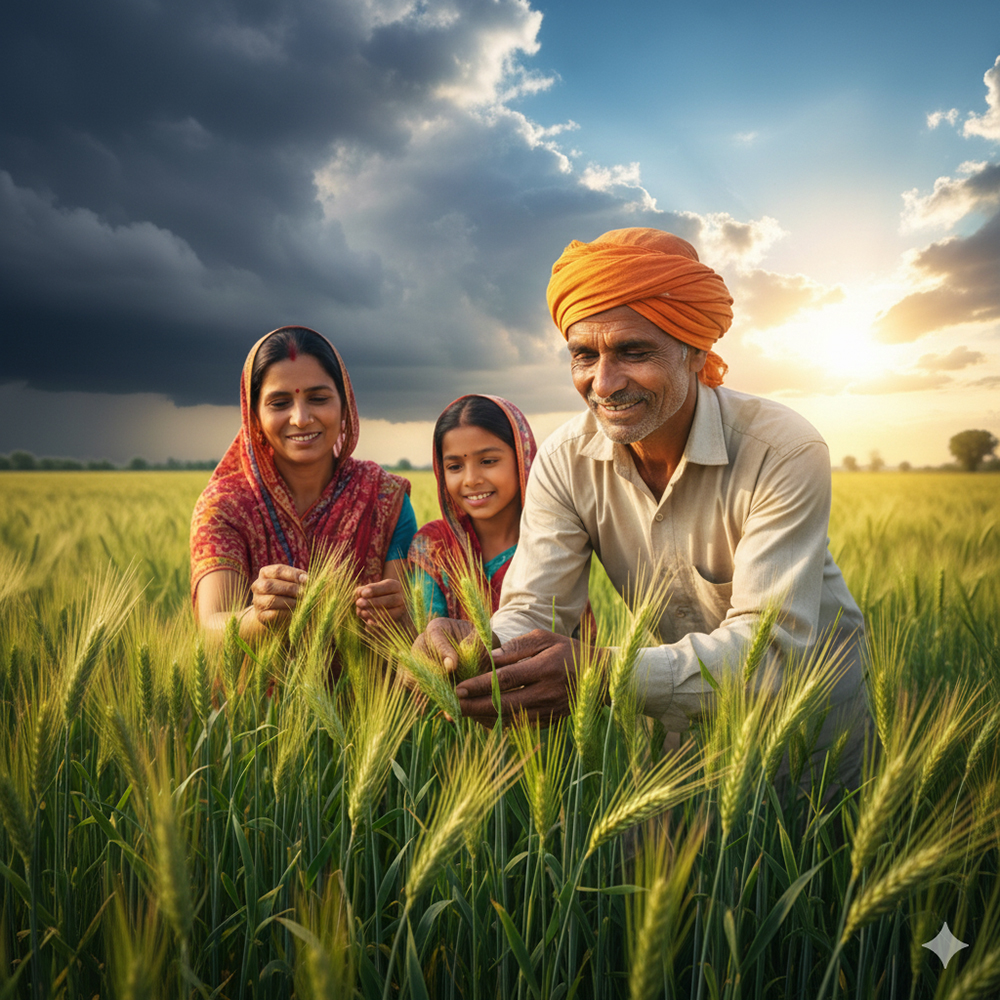
Climate change is putting more pressure on Indian farming. Hotter days, uneven rainfall, and changing seasons are affecting crop yields and farmer incomes. These problems become even bigger in the Rabi season, when crops, like wheat, mustard and pulses, need cool weather and timely sowing.
As a trusted plant seeds company, Nath Bio Genes India Limited believes that better seeds and smart farming practices can help farmers stay strong and productive during these challenges. Let’s explore the challenges farmers face during the Rabi season and how they can address them.
Climate Challenges in the Rabi Season
The Rabi season in India spans from October to April, and crops are sown in cooler months and harvested in spring. But climate change is altering this cycle. Higher daytime temperatures, heat waves and unpredictable rainfall are pushing the limits of crop tolerance.
In Gujarat, for instance, unusually warm weather caused a 47 % drop in Rabi sowing compared to the previous year. That is because many Rabi crops germinate best when daytime temperatures remain in the 25 to 30 °C range. However, the climatic conditions are now being disturbed.
Key Rabi crops such as wheat, mustard, gram and other pulses face direct impacts. The following challenges make the Rabi season a stressful period for Indian agriculture:
- Heat stress during the grain-filling stage lowers both crop yield and quality.
- Erratic rainfall makes moisture availability unpredictable, as it may be either too much or too little, which makes irrigation scheduling more difficult.
- In many states, climate change is expected to cause yield declines of about 5–13% for these crops in the coming decades.
Role of Resilient Seeds in Tackling Climate Change
As climate pressure increases, the role of resilient seeds becomes crucial. Good-quality seeds can tolerate heat, resist pests, and use water efficiently. These features help farmers protect yields even in changing weather.
A dependable plant seeds company develops and supplies such climate-ready varieties. These seeds are tested under difficult conditions to ensure they perform well in the field. Companies like Nath Bio Genes focus on innovation and research to make sure farmers get strong, healthy seeds that can face climate stress.
By promoting seeds that are drought-tolerant and disease-resistant, seed companies help farmers reduce risks and secure better harvests despite uncertain conditions.
Climate-Smart Farm and Village Practices
Seeds alone cannot solve climate challenges. Farmers also need climate-smart practices that protect the soil, conserve water, and improve crop health. Some useful farm and village-level practices include:
- Groundwater monitoring: Regularly check and manage groundwater levels to avoid overuse and ensure sustainability.
- Soil testing: Identify missing micronutrients and replace them with balanced fertilisers or organic inputs.
- Natural soil applications: Use compost, green manure, and crop residues to build soil fertility.
- Crop rotation and agroforestry: Rotate crops and integrate trees on farms to improve biodiversity and soil structure.
- Water efficiency: Use drip and sprinkler irrigation systems to reduce water wastage.
- Gender-inclusive approaches: Encourage participation of women in farm decision-making for balanced input and support at the community level.
Nath Bio Genes’ Role in Strengthening Indian Agriculture
At Nath Bio Genes, we understand how climate change affects every farming season. As one of the trusted seed companies in India, we continue to focus on research and innovation to help farmers adapt.
Our R&D teams develop seeds that can perform in dry, humid, or high-temperature regions. We ensure quality through strict testing and field validation so that every farmer receives dependable seeds.
Beyond seed supply, Nath Bio Genes supports farmers with field training, advisory services, and demonstrations. We aim to work with farmers as partners, helping them make informed decisions that lead to stronger and more sustainable farming.
To conclude, adapting to climate change is no longer a choice—it is a necessity. During the Rabi season, when farmers sow winter crops, every rise in temperature, every delay in rainfall and every inefficient practice can reduce harvests. Yet, with better seeds, healthy soils and smart farming methods, these risks can be managed.
As a committed plant seeds company, Nath Bio Genes encourages farmers to use improved seed varieties and adopt practices that conserve soil and water. Together, we can protect productivity and improve incomes. These practices help to create a resilient agricultural future for India.
#plant seeds company #seed companies in India