Resistance, Resilience, Rise Nath Bio-Genes and The Making of a Resilient Cotton Hybrid Portfolio
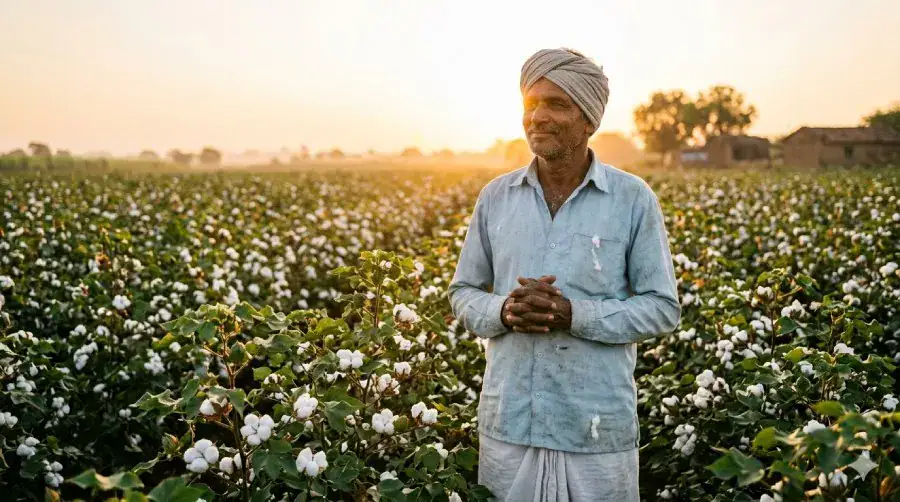
Long before scientists began decoding genomes or engineering desired traits, cotton thrived largely at the mercy of nature. It evolved through experience and environment rather than predictability and assurance.
In the 19th century, cotton cultivation transitioned from subsistence farming to a commercial cash crop. However, traditional methods struggled to keep up with rising yield expectations, climate risks, and land limitations.
Cotton Hybrids: The Beginning
The 1970s marked India’s entry into cotton hybrid seed development with the introduction of H-4. This period laid the foundation for hybrid adoption across the country.
Nath Bio-Genes and the Journey into Cotton Hybrids

In the 1990s, Nath Bio-Genes entered the cotton hybrid segment with a mission to improve yield and resilience for Indian farmers.
Somnath: The Making of a Market Leader
Somnath quickly gained popularity among farmers, followed by other successful hybrids including Shaktinath and Jagannath.
Bollworm Infestation
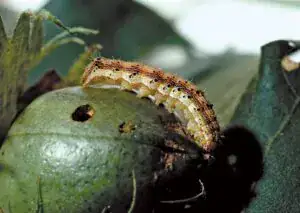
Bollworm infestation emerged as a major biotic stress affecting cotton yields.
Countering Bollworm: Innovation Phase
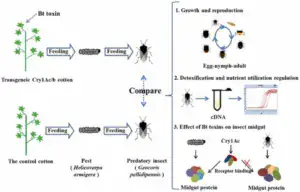
The introduction of Bt cotton significantly reduced pesticide usage. Nath Bio-Genes developed Fusion Bt technology as an alternative solution.
2010: New Beginning, Better Products
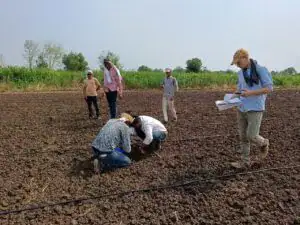
The company focused on yield improvement, pest tolerance, lower input cost, and climate resilience.
Nath Sanket: Next Gen Cotton Hybrid
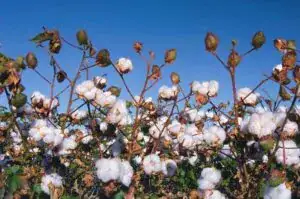
Nath Sanket emerged as a high-performing next-generation cotton hybrid with strong adaptability and pest tolerance.
NBC-2020: Designed for Rain-fed Conditions
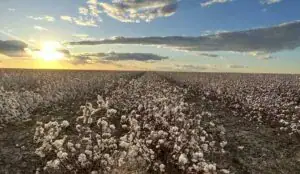
NBC-2020 delivered high yield under rain-fed conditions with strong water stress tolerance.
Performance Across Zones and Years
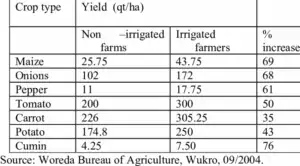
Comparative performance across Central and South zones demonstrated consistent top rankings.
From the MD’s Desk
“At Nath Bio-Genes, it’s passion beyond business.”
Did You Know?
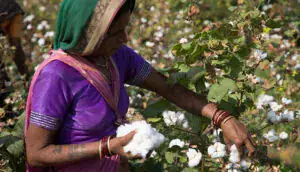
Cotton is termed a cash crop because it is primarily grown for market sale and supports rural livelihoods.